
Every year, the Bogong Moth (Agrotis infusa) undertakes one of the most extraordinary insect migrations on Earth in south-eastern Australia. The question for this episode is: how?
You can support the show – keep it going, keep it growing – at The Wild Episode Substack. Become a paid subscriber there to get access to occasional bonus episodes. If you’d rather just stick with a free sign-up there, that’s fine: you’ll still get regular posts/e-mails celebrating the wonders and curiosities of the Animal Kingdom.
Feel free to E-mail the show if you have any comments, complaints, corrections, suggestions, encouragement or even just want to say hello.
Please do share the show on social media, and rate and review it (positively of course!) on your podcast app. That helps a lot. But best of all, of course, become a paid subscriber at The Wild Episode Substack.
And don’t forget, you can check out The Wild Episode’s very own Facebook page. And, you can check out Twitter and BlueSky.
Thank you!
Show notes below …
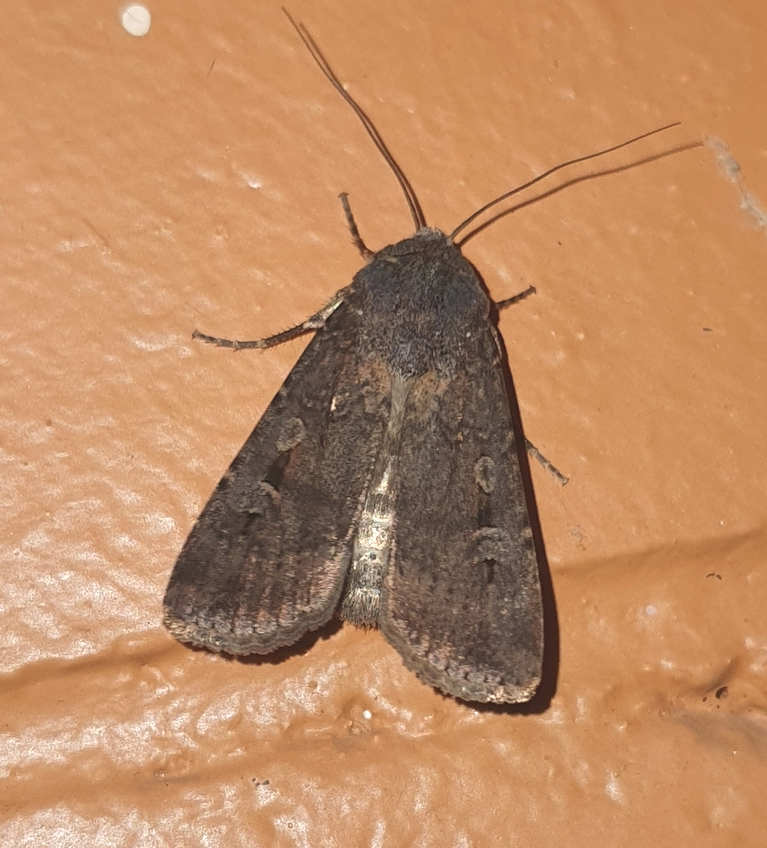
A bogong moth (Agrotis infusa) looking pretty brownish:
And one looking a good deal more greyish:
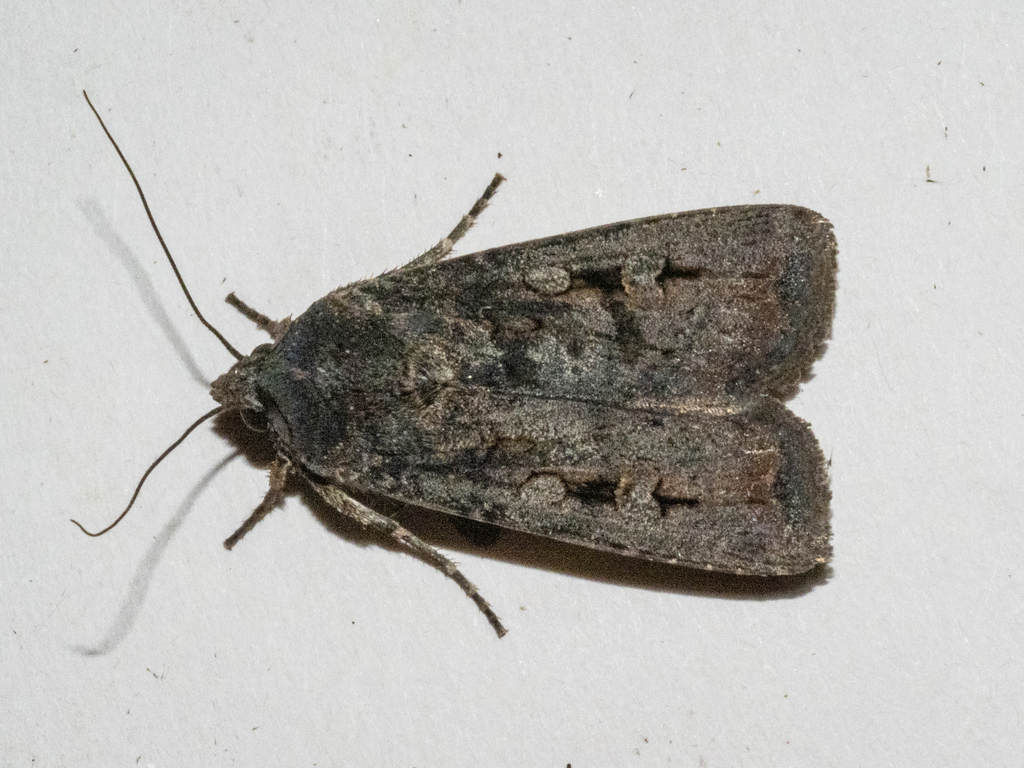
It’s a bit variable, like I say in the episode.
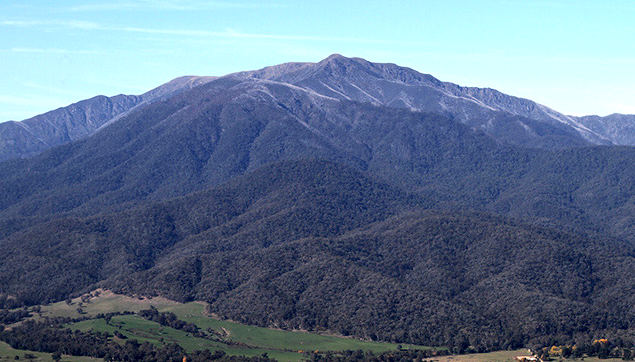
Here’s Mount Bogong, nicely showing off its bare, rocky higher reaches in the Summer:
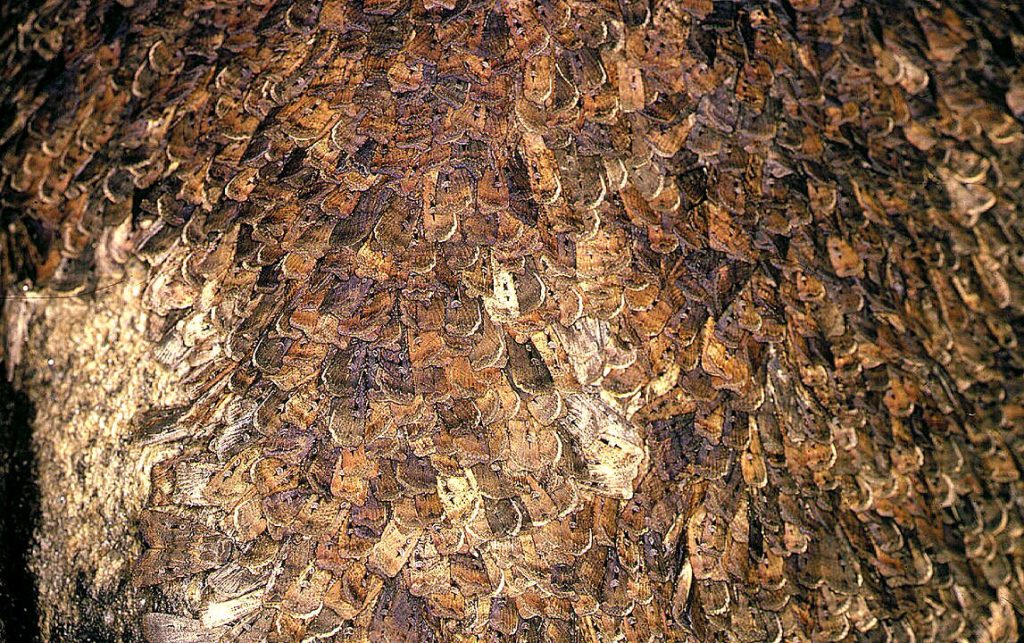
And here’s what Bogong Moth migration/aestivation means in practice – thousands upon thousands of moths all huddled up together:
What the Bogong Moth means to the indigenous inhabitants of Australia:
The IUCN red list page for the Bogong Moth, with lots of good information on basic biology, population and so on.
The Australian Conservation Foundation on the bogong moth and on its relationship to the Mountain Pygmy Possum.
And on that latter subject, since it’s an extraordinary animal with an extraordinary story of discovery, the Animal Diversity Web page for the Mountain Pygmy Possum.
One of my favourite documents for this episode: an Australian Parliamentary Library Research Brief produced in 2006, detailing the history, implications and handling of Bogong Moth invasions of Parliament House.
Heinze, Stanley et al. 2016, Quick Guide – Bogong Moths, Current Biology, Volume 26, Issue 7, R263 – R265
Green K, Caley P, Baker M, Dreyer D, Wallace J, Warrant E. Australian Bogong moths Agrotis infusa (Lepidoptera: Noctuidae), 1951-2020: decline and crash. Aust Entomol. 2021 Feb;60(1):66-81.
Warrant, Eric & Frost, Barrie & Green, Ken & Mouritsen, Henrik & Dreyer, David & Adden, Andrea & Brauburger, Kristina & Heinze, Stanley. (2016). The Australian Bogong Moth Agrotis infusa: A Long-Distance Nocturnal Navigator. Frontiers in Behavioral Neuroscience. 10
Dreyer, David & Frost, Barrie & Mouritsen, Henrik & Günther, Anja & Green, Ken & Whitehouse, M. & Johnson, Sönke & Heinze, Stanley & Warrant, Eric. (2018). The Earth’s Magnetic Field and Visual Landmarks Steer Migratory Flight Behavior in the Nocturnal Australian Bogong Moth. Current Biology. 28.
Dreyer, D., Adden, A., Chen, H. et al. Bogong moths use a stellar compass for long-distance navigation at night. Nature 643, 994–1000 (2025)
Music
Opening & Closing Themes: Running Waters and Acoustic Meditation by Audionautix (Jason Shaw), from audionautix.com. CC BY 3.0.
Modified versions of: Echo, Into the Fire and Out of Reach by Philipp Weigl, CC BY 4.0; Temple and Lost and Found by drób, CC BY 4.0