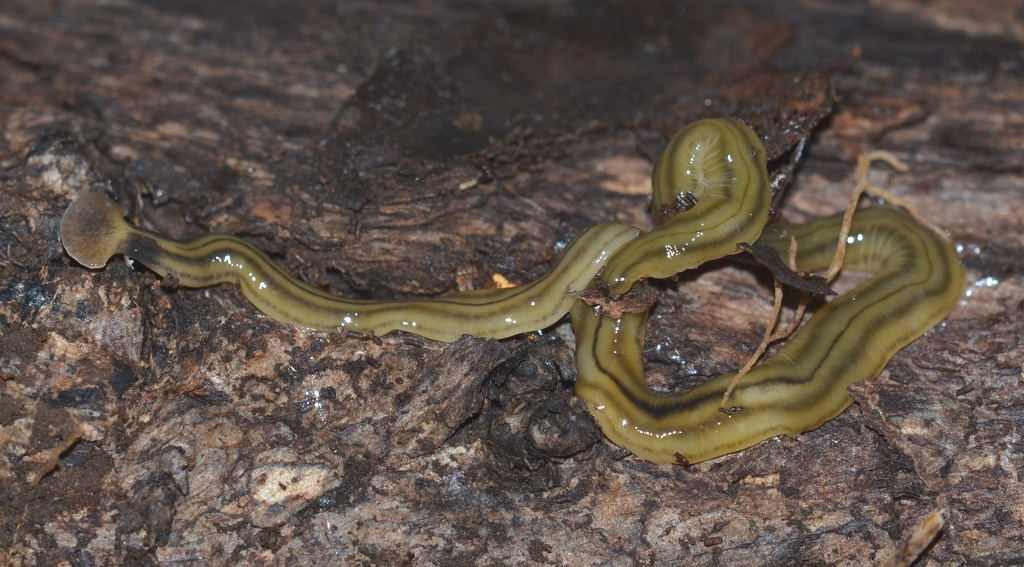
The Shovel-Headed Garden Worm (Bipalium kewense), also known as the Hammerhead Worm, is a voracious, terrestrial predatory flatworm. A world-traveller with amazing anatomy, predatory abilities and – especially – reproductive capacity. But why is it named after Kew Gardens in London?
You can support the show – keep it going, keep it growing – at The Wild Episode Substack. Become a paid subscriber there to get access to occasional bonus episodes and to keep the show on the road. Even as a free subscriber, you’ll still get regular posts/e-mails celebrating the wonders and curiosities of the Animal Kingdom.
Feel free to E-mail the show if you have any comments, complaints, corrections, suggestions, encouragement or even just want to say hello.
Please do share the show on social media, and rate and review it on your podcast app. That helps a lot. But best of all, of course, become a paid subscriber at The Wild Episode Substack.
Neither me nor the show is terribly active on social media, but you can check out The Wild Episode’s very own Facebook page. And, I’m on BlueSky.
Thank you!
Show notes below …
Bipalium kewense, with finger for size comparison:

and the whole animal, in its preferred warm and humid setting:
And the tropical Palm House at Kew Gardens, built in 1848:
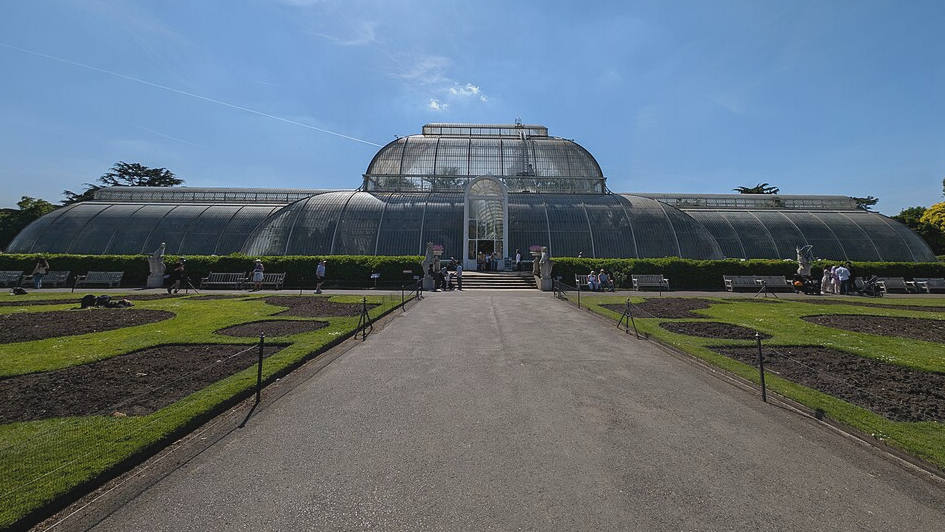
Can’t be sure that was where Bipalium kewense was discovered – other glasshouses are, and were, available on the site – but maybe?
And just because he had some really splendid facial hair going on in later life, here’s Joseph Hooker (often called Joseph Dalton Hooker to distinguish him from the US Civil War general):
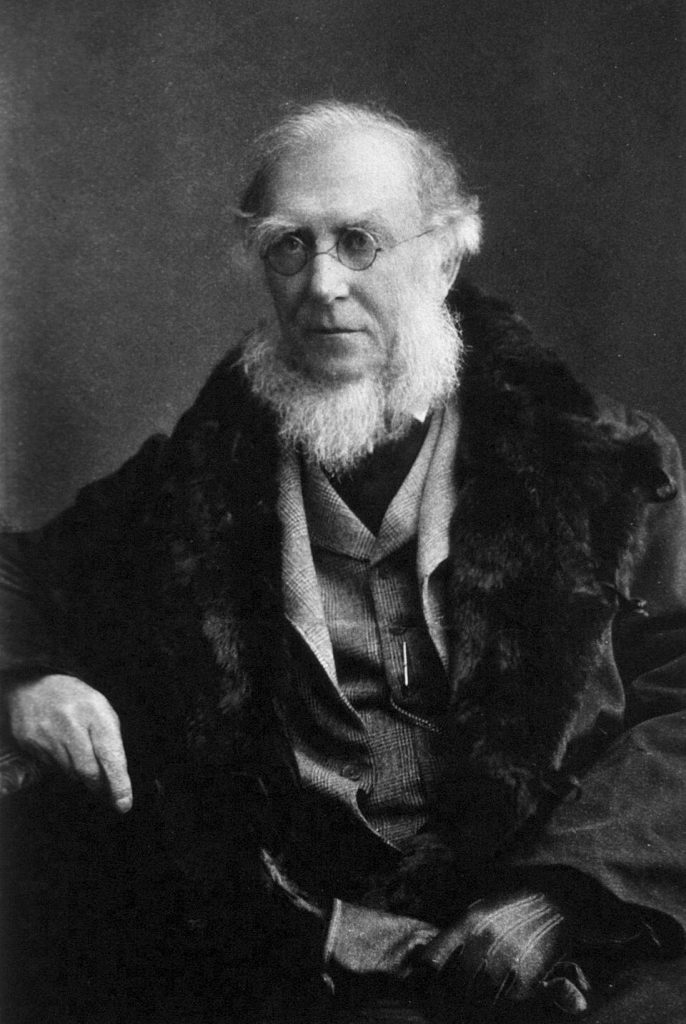
He’s discussed – especially his plant-hunting adventures – amongst many other remarkable explorers, in a nice document (which opens automatically at this link) I stumbled across online: A Brief History of the British Plant Hunters by John Godfrey.
A non-specialist article discussing the spread around the world of terrestrial flatworms – including nice details about Charles Darwin and Bipalium kewense – is here: Invasion of the Flatworms by Ronald Sluys in American Scientist.
Wikipedia for the phylum Platyhelminthes and Bipalium kewense itself.
The original description of the species, and report of its discovery at Kew is here: Moseley, H. N. (1878). XXVIII.—Description of a new species of land-planarian from the hothouses at Kew Gardens. Annals and Magazine of Natural History, 1(3), 237–239.
Winsor, Leigh. (2008). A revision of the cosmopolitan land planarian Bipalium kewense Moseley, 1878 (Turbellaria: Tricladida: Terricola). Zoological Journal of the Linnean Society. 79. 61 – 100.
de Waart SA, Vanhove MPM, Justine J-L, Kmentová N (2025) Going Dutch: European distribution of non-native land flatworm species belonging to Geoplaninae and Bipaliinae with focus on the Netherlands. NeoBiota 99: 285-321
(Requires free JSTOR account to read) Ducey, Peter K., et al. “Rare Egg Capsule Production in the Invasive Terrestrial Planarian Bipalium Kewense.” The Southwestern Naturalist, vol. 51, no. 2, 2006, pp. 252–55.
Stokes AN, Ducey PK, Neuman-Lee L, et al. Confirmation and distribution of tetrodotoxin for the first time in terrestrial invertebrates: two terrestrial flatworm species (Bipalium adventitium and Bipalium kewense). PLoS One. 2014;9(6):e100718.
Music
Opening & Closing Themes: Running Waters and Acoustic Meditation by Audionautix (Jason Shaw), from audionautix.com. CC BY 3.0.
Modified versions of: 404 Not Found, But That’s Okay and Echoes in the Code and Syncing Our Systems by Aldous Ichnite, CC BY 4.0