
Steamer ducks (four species in the genus Tachyeres) are big, mostly flightless, fantastically aggressive ducks in South America. An amazing example of evolution in action, because some supposedly flying steamer ducks can’t fly, and some flightless ones apparently can. Charles Darwin would be fascinated.
You can support the show – keep it going, keep it growing, show you value it – at The Wild Episode Substack. Become a paid subscriber there to get access to occasional bonus episodes and to keep the show on the road. Even as a free subscriber, you’ll still get regular posts/e-mails celebrating the wonders and curiosities of the Animal Kingdom.
Feel free to E-mail the show if you have any comments, complaints, corrections, suggestions, encouragement or even just want to say hello.
Please do share the show on social media, and rate and review it on your podcast app. That helps a lot. But best of all, of course, become a paid subscriber at The Wild Episode Substack.
Thank you!
Show notes below …
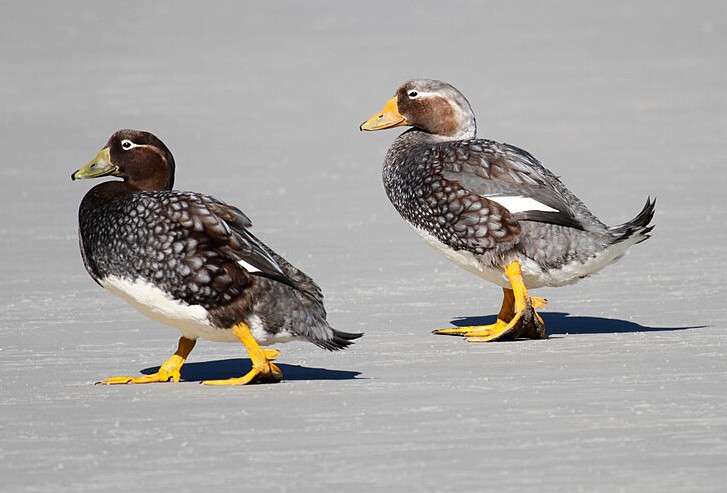
Falkland Steamer Duck (Tachyeres brachypterus):
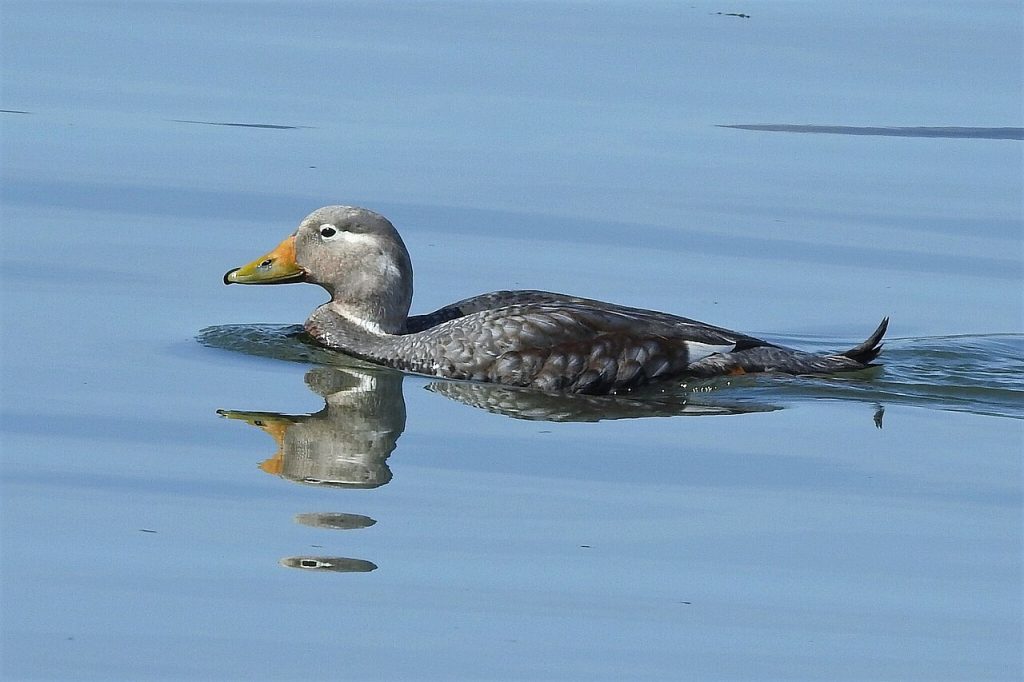
Flying steamer Duck (Tachyeres patachonicus):
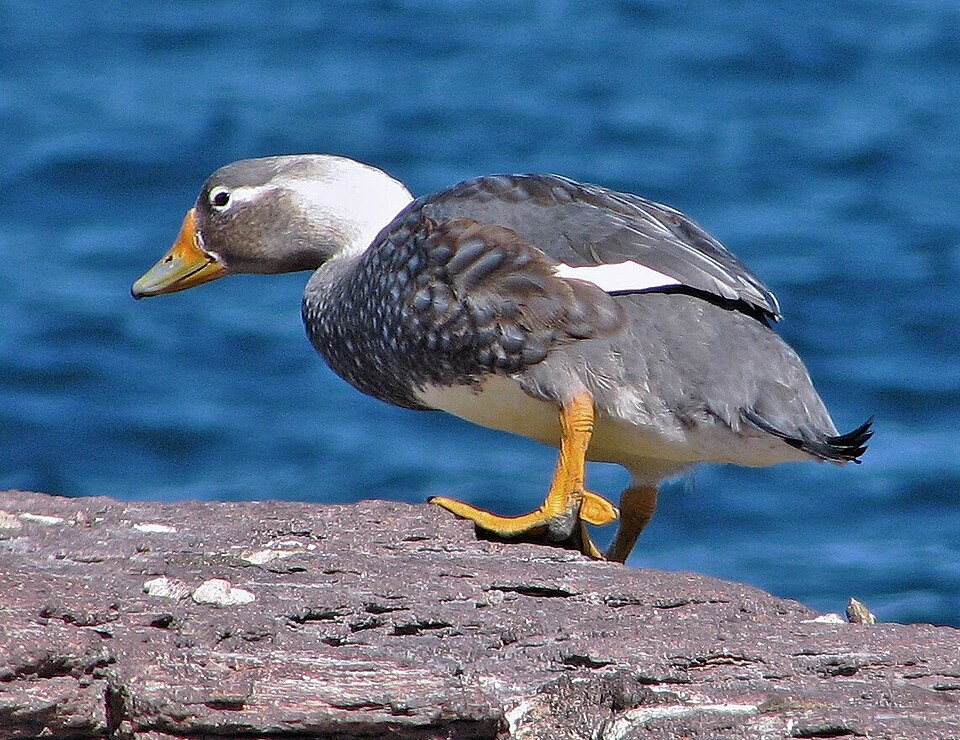
White-headed/Chubut Steamer Duck (Tachyeres leucocephalus):
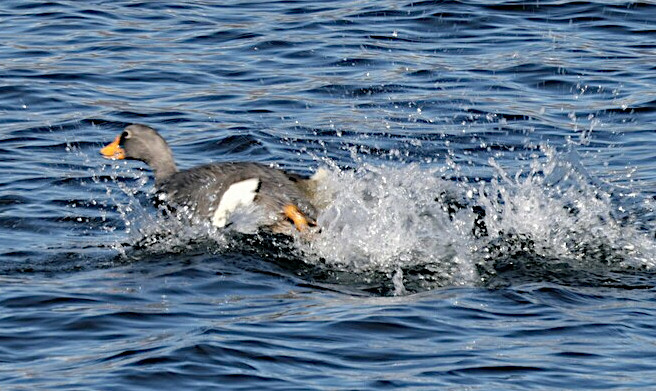
and finally a Fuegian/Magellanic Steamer Duck (Tachyeres pteneres) actually steaming!:
You can read Charles Darwin’s own account of his journey – which is where quotes from him tend to come from in any episode I do about it – for free online at Project Gutenberg: Journal of Researches into the Natural History and Geology of the Countries Visited During the Voyage Round the World of H.M.S. Beagle Under the Command of Captain Fitz Roy, R.N.
Wikipedia has a very detailed account of the voyage here: Second voyage of HMS Beagle
And we should have a picture of Charles Darwin himself, I guess, not the familiar image of the old man with the great white beard, but more as he was when he travelled on the Beagle – here he is just a few years after he came home:

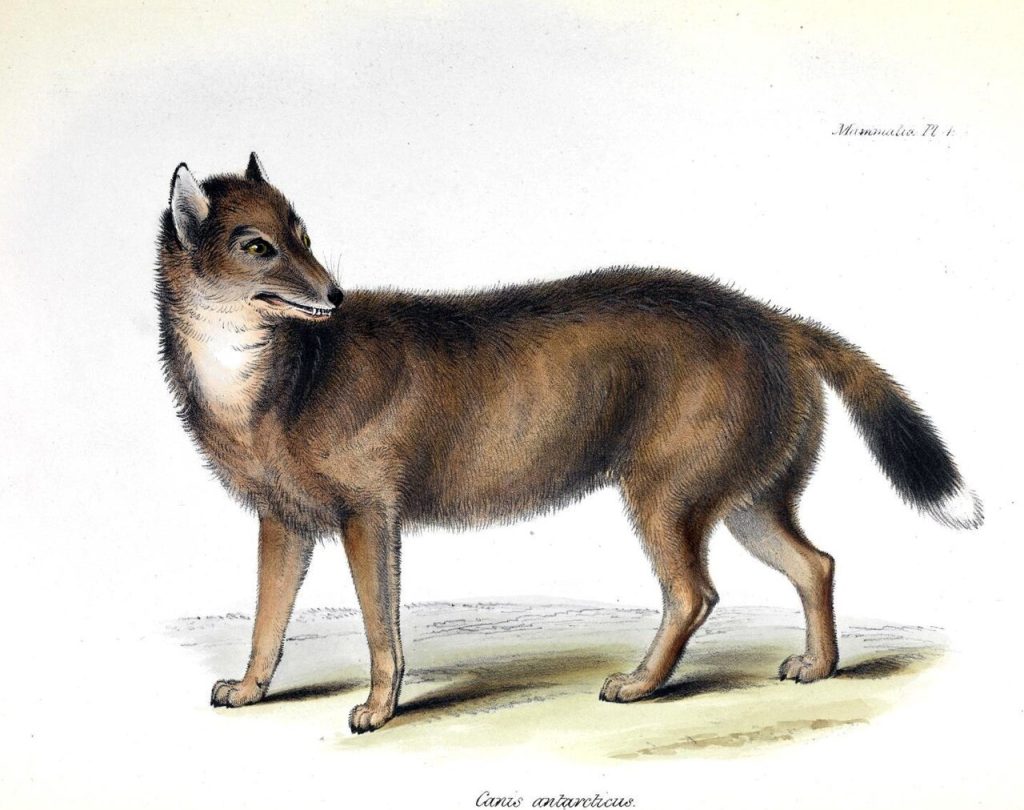
And just for completeness, and because I think it’s cool, here’s a contemporary image of the so-called Falkland Islands wolf:
And we’ll start the sciencey links with the best/most recent summary of current thinking I’ve seen:
Lindzon, Jordan & Gray, Patricia. (2024). Steamer Ducks: To Fly or Not to Fly. Western Undergraduate Research Journal: Health and Natural Sciences. 13.
Livezey, Bradley C. and Humphrey, Philip S. (1985) “Territoriality and Interspecific Aggression in Steamer ducks,” Condor: Vol. 87 : Iss. 1 , Article 28.
Direct link to PDF: Nuechterlein, Gary L. and Storer, Robert W. (1985) “Aggressive Behavior and Interspecific Killing by Flying Steamer-ducks in Argentina,” Condor: Vol. 87 : Iss. 1 , Article 11.
Direct link to PDF: Humphrey, Philip S. and Livezey, Bradley C. (1982) “Flightlessness in Flying Steamer-ducks,” The Auk: Vol.99: Iss. 2, Article 24.
Bradley C. Livezey, Philip S. Humphrey, FLIGHTLESSNESS IN STEAMER‐DUCKS (ANATIDAE: TACHYERES): ITS MORPHOLOGICAL BASES AND PROBABLE EVOLUTION, Evolution, Volume 40, Issue 3, 1 May 1986, Pages 540–558
Fulton, Tara & Letts, Brandon & Shapiro, Beth. (2012). Multiple losses of flight and recent speciation in steamer ducks. Proceedings. Biological sciences / The Royal Society. 279. 2339-46.
Campagna, L., McCracken, K.G. and Lovette, I.J. (2019), Gradual evolution towards flightlessness in steamer ducks*. Evolution, 73: 1916-1926
Music
Opening & Closing Themes: Running Waters and Acoustic Meditation by Audionautix (Jason Shaw), from audionautix.com. CC BY 3.0.